





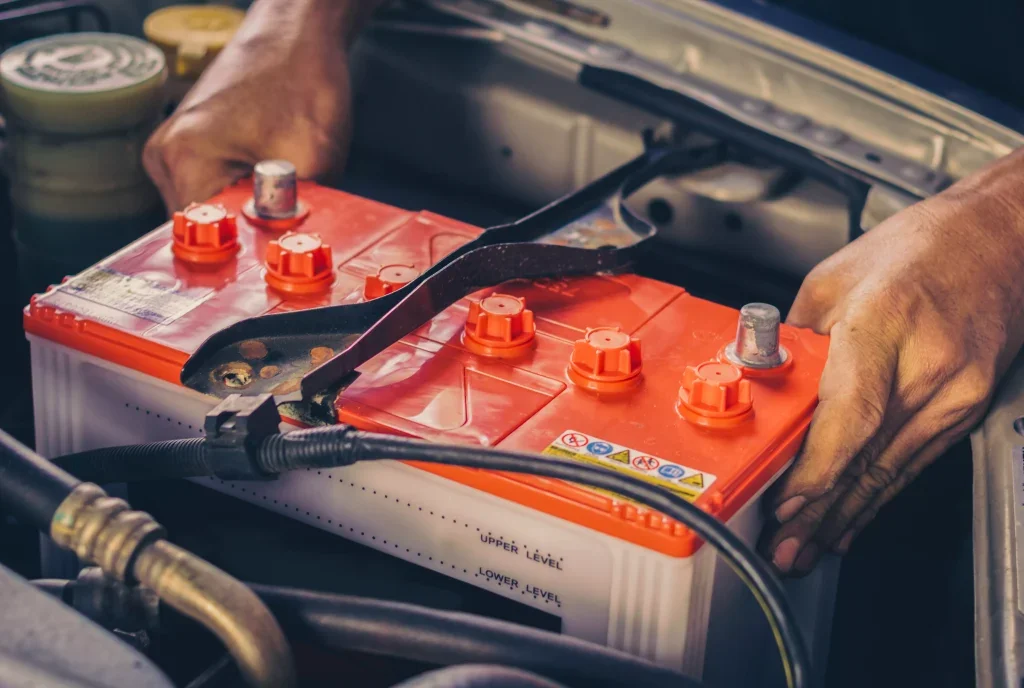
A modern Chevrolet asks quite a lot from its battery. It powers the ignition system, infotainment screens, driver-assistance technology, lighting, onboard electronics, and in some cases enough USB ports to resemble a boutique airport lounge. And yet most drivers only think about the battery when the vehicle suddenly refuses to start outside a grocery store in Las Vegas during a 108-degree afternoon.
That, naturally, is not ideal. Understanding proper battery maintenance before things reach that stage is one of the simplest ways to avoid unnecessary inconvenience, especially in Southern Nevada where heat can be particularly unforgiving to automotive electrical systems.
Desert Heat Is Ruthless on Vehicle Batteries
Cold weather tends to get blamed for dead batteries, but excessive heat is often the greater long-term enemy.
Las Vegas temperatures accelerate internal battery wear by increasing fluid evaporation and stressing internal components over time. Even a healthy battery can deteriorate faster under prolonged exposure to extreme heat, particularly during stop-and-go driving or extended idling.
For Chevrolet owners around Las Vegas, Henderson, and North Las Vegas, annual battery inspections should realistically become part of routine vehicle service alongside oil changes and tire rotations.
A Slow Engine Crank Usually Means Trouble Is Brewing
Most failing batteries provide warnings long before complete failure arrives. Drivers simply tend to ignore them.
One of the clearest indicators is a slow engine crank. If your Silverado, Equinox, Blazer, or Tahoe suddenly sounds slightly reluctant during startup, that hesitation often signals declining battery capacity. The vehicle may still start normally today. Next week is another matter entirely.
Catching these symptoms early through routine Chevrolet battery service can prevent the much more irritating alternative: needing roadside assistance in a casino parking garage.
Flickering Lights and Random Electrical Gremlins Aren’t Normal
A weakening battery often reveals itself through inconsistent electrical behavior. Dim headlights at idle, flickering interior lights, sluggish infotainment responses, or intermittent warning messages can all indicate the battery is struggling to supply stable voltage throughout the vehicle.
Modern Chevrolets rely heavily on stable electrical communication between systems. When battery performance drops, strange things begin happening. Not catastrophic things at first. Just... odd things.
The sort of small electronic quirks that suggest your vehicle is no longer entirely convinced about participating.
Corrosion Around the Battery Isn’t Just Cosmetic
Open the hood occasionally and inspect the battery terminals. If you notice white, green, or bluish buildup around the terminals, corrosion may be interrupting the electrical connection between the battery and vehicle systems.
Terminal cleaning is a routine part of proper battery maintenance, but recurring corrosion can also indicate deeper internal battery deterioration.
A swollen battery case is more serious still. In hot climates like Las Vegas, excessive heat exposure can physically deform the battery housing, at which point replacement becomes necessary immediately. A swollen battery is rather like a smoke alarm at 3 a.m.
Most Batteries Quietly Age Out Before Drivers Notice
Automotive batteries typically last between three and five years depending on driving habits, climate, and electrical demand. And that’s the important point: age matters even when the battery appears perfectly functional.
If your Chevrolet’s battery is approaching four years old, it’s wise to schedule a battery inspection and load test during your next service visit. Proactive replacement is almost always preferable to reactive replacement after failure.
Especially when failure occurs during a Las Vegas summer afternoon hot enough to melt lesser life forms.
Professional Battery Testing Removes the Guesswork
A battery may start your vehicle perfectly in the morning yet still fail a professional load test later that day. That’s because load testing evaluates how the battery performs under actual electrical demand, rather than simply checking surface voltage.
Chevrolet service technicians can quickly assess:
Battery charge capacity
Charging system performance
Alternator function
Terminal condition
Overall electrical health
Which means small issues can be addressed before they become inconveniently large ones.
Small Maintenance Habits Make a Big Difference
Battery longevity often comes down to simple habits. Avoid leaving accessories running with the engine off. Minimize frequent short trips that prevent full charging cycles. Keep terminals clean. And schedule regular inspections as part of routine Chevrolet service.
Drivers throughout Las Vegas, NV dealing with prolonged summer heat place extra strain on vehicle batteries year-round, which makes preventative maintenance even more important locally than it might be elsewhere.
A quick battery inspection today is considerably cheaper than discovering tomorrow morning that your vehicle has decided retirement sounds appealing.